Tintype (Ferrotype)
Direct-positive photographs on lacquered iron — cheap, durable, and iconic.

Antique 2.5x4in Tintype Portrait Handsome Man Mustache Curly Hair Embossed Mount

Antique 2.5x4in Tintype Bearded Man Dark Coat Vest Paper Sleeve Sleeve Frame

Antique 2.5x4in Tintype Young Man Suit Bow Tie Fancy Paper Sleeve Frame

Antique 2.5x4in Tintype Young Handsome Man Suit Bow Tie Oval Sleeve Card 1869

Antique 2.5x4in Tintype Two Young Girls Half Sisters Atta Van Camp Plaid Dress

Antique 2.5x4in Tintype Young Boy Suit Bow Tie Sidney Van Cat Paper Sleeve

Antique 2.5x4in Tintype Elderly Woman Tinted Cheeks

Antique 2.5x4in Tintype Young Woman Dark Dress Oval Paper Mount

Antique 2.5x4in Tintype Bust Portrait Young Man Suit Jacket Bow Tie Card Mount

Antique 2.5x4in Tintype Handsome Man Suits High Collar Tie Embossed Mat

Antique 2.5x4in Tintype Young Woman Large Pearl Necklace Braided Hair

Antique 2.5x4in Tintype Oval Mat Card Center Part Hairstyle Woman Portrait

Antique 2.5x4in Tintype Young Man Beard Mustache Embossed Paper Mount Frame

Antique 2.5x4in Tintype Portrait Young Man Dark Suit Embossed Paper Mat Frame

Antique 2.5x4in Tintype Handsome Young Man Suit Vest Bow Tie High Collar Named

Antique 2.5x4in Tintype Baby Milo Reede White Dress Embossed Eagle Frame
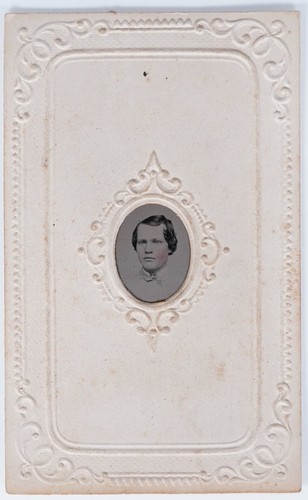
Antique 2.5x4in Tintype Young Man Portrait Embossed Paper Mat Frame Cameo Cutout

Antique 2.5x4in Tintype Woman Plaid Pattern Dress Cameo Brooch Embossed Frame

Antique 2.5x4in Tintype Portrait Woman Tinted Cheek Ring Star Paper Frame

Antique 2.5x4in Tintype Portrait Elderly Woman Dark Dress Bow Collar Oval Mat

Antique 2.5x4in Tintype Young Woman Cameo Embossed Card

Antique 2.5x4in Tintype Young Woman Portrait Embossed Paper Frame Mount

Antique 2.5x4in Tintype Young Woman Short Hair High Collar Dress Star Card Mount

Antique 2.5x4in Tintype Young Girl Long Hair Striped Dress Bow Paper Mount Oval
Tintypes (also called ferrotypes) are direct-positive photographs made on a thin sheet of lacquered iron. Cheap to produce and nearly indestructible, they were a fixture of itinerant photographers, fairgrounds, and seaside boardwalks from the American Civil War well into the 20th century — the longest production run of any 19th-century photo format.
HistoryOrigin & era
Invented in 1853 by Adolphe Alexandre Martin in Paris and patented in the United States by Hamilton Smith in 1856, the tintype shared its plate-size family with the daguerreotype and ambrotype — they were all made on the same camera plates. Unlike a CDV, every tintype is a unique direct-positive: there is no negative. Most are dark and slightly muddy because the image sits on a black-japanned iron base. They're heavier than they look — a magnet will stick to the back. Peak use was the 1860s–70s; street and boardwalk photographers were still making them into the 1930s.
IdentificationHow to spot a Tintype
- Magnetic — a small magnet sticks to the back. (Definitive test.)
- Slightly heavier than paper or glass photographs of the same size.
- Image often slightly dark, slate-grey, with a thin lacquer sheen.
- Edges sometimes show rust or japanning chips.
- Frequently found in paper sleeves, leather cases, or unmounted.
Tintype sizes
Tintypes share the standard American "plate" sizes with daguerreotypes and ambrotypes, plus a few formats unique to the cheaper itinerant trade.
| Format | Inches | Millimeters | Notes |
|---|---|---|---|
| Whole plate | 6½ × 8½ in | 165 × 216 mm | Rare; mostly studio formal portraits. |
| Half plate | 4¼ × 5½ in | 108 × 140 mm | Uncommon; usually couples or small groups. |
| Quarter plate | 3¼ × 4¼ in | 83 × 108 mm | Common for higher-end portraits. |
| Sixth plate | 2¾ × 3¼ in | 70 × 83 mm | By far the most common size — the default. |
| Ninth plate | 2 × 2½ in | 51 × 64 mm | Often in small leather cases or lockets. |
| Sixteenth plate | 1⅜ × 1⅝ in | 35 × 41 mm | Tiny — sometimes set into jewelry. |
| Bon-ton | 2⅜ × 3½ in | 60 × 89 mm | Late-19th-century portrait format. |
| Gem tintype | ⅞ × 1 in | 22 × 25 mm | Tiny portraits set into albums or jewelry. |
| Card-mounted (CDV-style) | 2½ × 4 in | 64 × 100 mm | Tintype trimmed and pasted onto a CDV mount. |
Common questions
What is a tintype?
A tintype (also called a ferrotype) is a direct-positive photograph made on a thin sheet of lacquered iron. Each tintype is a unique one-of-a-kind image — there is no negative. Invented by Adolphe Martin in 1853 and patented in the U.S. by Hamilton Smith in 1856, tintypes were the cheapest form of photography of their day and stayed in use at fairs and boardwalks into the 1930s.
How can I tell if a photo is a tintype?
The definitive test is a magnet — it will stick to the back of a tintype because the base is iron. Tintypes are also noticeably heavier than paper photographs of the same size, slightly dark and slate-grey in tone, and often show a thin lacquer sheen on the surface.
Are tintypes valuable?
Most common 19th-century tintypes are modest in value ($10–$40) because they were produced cheaply by the millions. Cased tintypes, occupational portraits, outdoor scenes, Civil War soldiers, identified subjects, and large-plate (half- and whole-plate) examples can fetch hundreds to thousands of dollars.
What plate sizes did tintypes come in?
Tintypes used the same plate-size family as daguerreotypes — whole, half, quarter, sixth, ninth, and sixteenth plate — plus a few unique formats. The sixth plate (about 2¾ × 3¼ inches) is by far the most common. Tiny ‘gem’ tintypes (about an inch square) and card-mounted tintypes in CDV-style mounts are also frequently encountered.
Have Tintypes to sell?
We buy tintype (ferrotype) singly or by the lot. Send a few photos and we'll have an offer back in 24–48 hours.
Get an offer →