Carte de Visite
Albumen-print portraits on small card mounts — the calling-card photo of the Civil War era.

Antique CDV C. J. Trapp Man Mustache Suit Portrait Williamsport PA Photo

Antique CDV Shorey Man Mutton Chops Beard Suit Bowtie Augusta me me Photo

Antique CDV K. W. Beniczky Seated Man Mustache Bow Tie NY NY

Antique CDV Nason Photograph Parlors Young Man Curly Hair Bow Tie Springfield

Antique CDV Bearded Man Dark Suit Jacket Vest Bow Tie Portrait

CDV Circa 1860s 3c Civil War Tax Stamp Handsome Bearded Man Suit Philadelphia PA

CDV Circa 1860s 2c Civil War Tax Stamp Woman Dark Dress Philadelphia PA

Antique CDV Tintype Portrait Woman Polka Dot Bow Oval Mat Mount
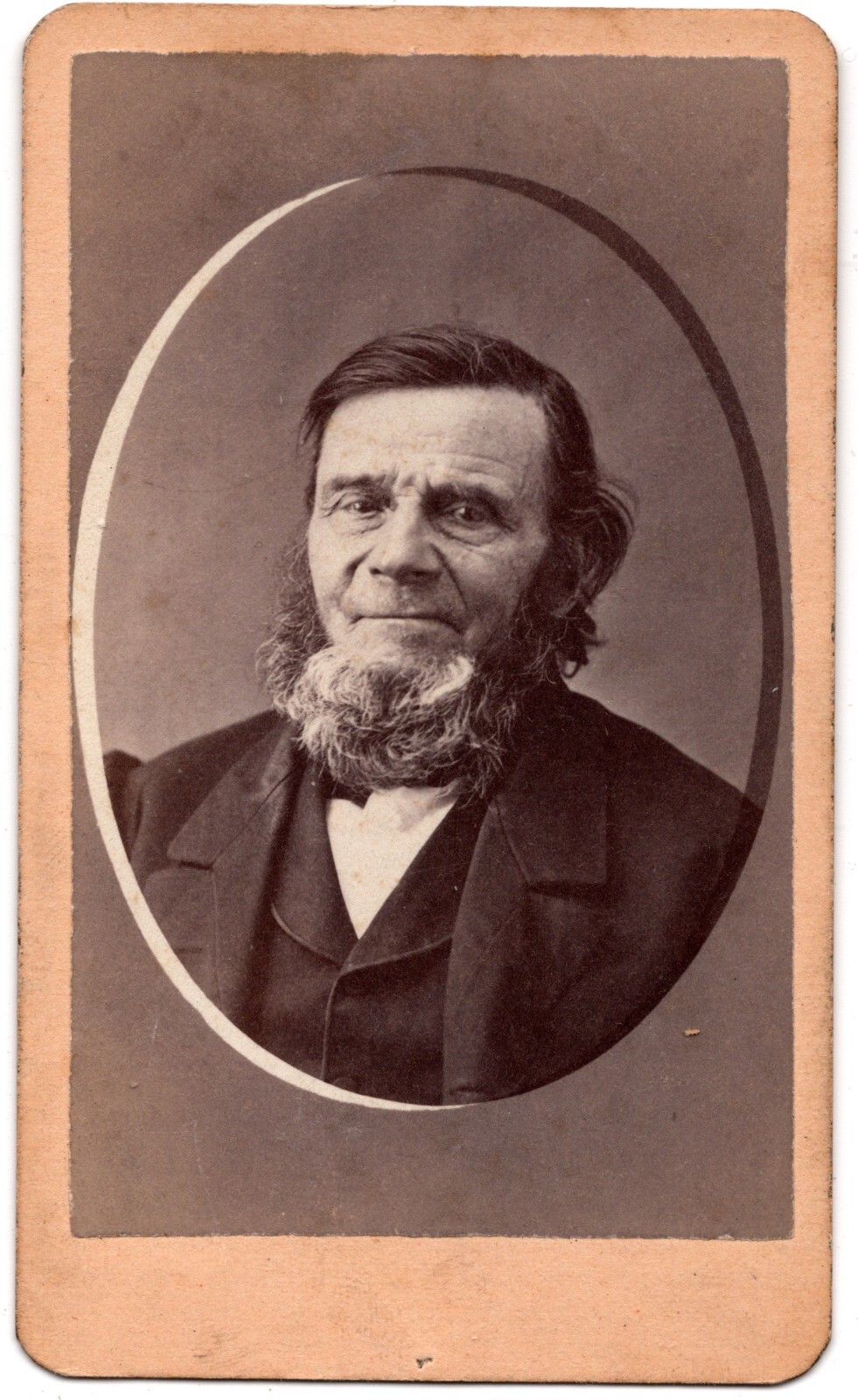
Antique CDV E. P. Baker Older Man Beard Oval Portrait Ypsilanti

Antique CDV S. T. Wiggins Portrait Young Woman Ringlets Winona

Antique CDV Perkins Bearded Man Suit Bowtie WA DC Portrait Photo

Antique CDV P B Marvin Man Chin Curtain Beard Bow Tie WA

Antique CDV Lincoln Elderly Gentleman Beard Bow Tie Boston

Antique CDV Milton T. Carter Young Man Mustache Suit Worcester Mass

Antique CDV Moore Brothers James Louis Johnson Springfield Mass Portrait

Antique CDV C.J. Tomlinson Handsome Man Mustache Bow Tie Winona MN Photo

Antique CDV Whitney's Gallery Beard Man Bow Tie Saint Paul Min MN Photo

Antique CDV C. Cole Man Goatee Beard Sitting Chair Roxbury Mass Boston

Antique CDV Brown Baby Infant White Dress Gown Portland me Studio Photo

Antique CDV Thompson Young Man Frock Coat Standing Balustrade Norwich

Antique CDV P B Marvin Addis Gallery Man Beard Suit WA

Antique CDV R. W. Addis Man Suit Bowtie Holding Top Hat WA

Antique CDV G.H. Loomis Seated Young Man Beard Dark Coat Boston MA

Antique CDV J. C. Richardson Bearded Man Seated Chair Boston MA Photo
The carte de visite (CDV) is a small albumen photograph mounted on a stiff card the size of a calling card. First proposed by Louis Dodero in 1851 and patented in France by André Disdéri in 1854, CDVs became a worldwide craze after Disdéri photographed Emperor Napoleon III in 1859 — and stayed in production into the 1920s, collected and pasted into family albums by the millions.
HistoryOrigin & era
CDVs are produced from a glass-plate negative printed onto thin albumen paper, then trimmed and pasted to a card mount. Studios printed them by the dozen; the same sitter could order several copies of the same exposure to hand out. The format was largely displaced by the larger cabinet card from the 1880s onward, though CDV-sized prints continued to be made by smaller studios and itinerant photographers into the 1920s.
IdentificationHow to spot a CDV
- Card mount roughly 2½ × 4 inches.
- Albumen print — slight surface gloss, often warm brown or sepia tones.
- Studio imprint usually on the back (photographer + city).
- Square-cornered mounts are earlier (c. 1860s); rounded corners and decorated backs come in later.
- Tax revenue stamps on the back date it to 1864–1866 (U.S. Civil War tax).
CDV sizes
CDVs are largely standardized — the mount size barely varies — but the photo on the mount and the mount stock evolved over time.
| Format | Inches | Millimeters | Notes |
|---|---|---|---|
| Standard CDV mount | 2½ × 4 in | 64 × 100 mm | Universal mount size from the 1860s on. |
| Albumen print on mount | ≈ 2⅛ × 3½ in | ≈ 54 × 89 mm | Photo trimmed to fit the mount with a small border. |
| Victoria (mini-CDV) | 3¼ × 5 in | 83 × 127 mm | Brief 1870s variant — slightly larger than standard. |
Common questions
What is a CDV photograph?
A carte de visite (CDV) is a small albumen photograph mounted on a card the size of a calling card — roughly 2½ × 4 inches. The format was first proposed by Louis Dodero in 1851 and patented in France by André Disdéri in 1854. CDVs were the dominant portrait format from the early 1860s through the 1870s and continued to be made into the 1920s.
How can I tell if a CDV is from the Civil War era?
A revenue tax stamp on the back dates a CDV to between August 1864 and August 1866 — the only window when the U.S. taxed photographs. Square corners, plain mounts, and two-line photographer imprints also point to the 1860s; rounded corners and elaborate decorated backs are 1870s and later.
How much is an antique CDV worth?
Common 1870s studio portraits typically run $5–$25, while Civil War soldier images, identified subjects, occupational portraits, and outdoor scenes can run from $75 into the thousands. Condition, identification, and historical interest of the sitter drive value far more than age alone.
Are CDVs and cabinet cards the same thing?
No — they share the albumen process but cabinet cards are larger (about 4¼ × 6½ inches on heavier card stock) and came into vogue in the late 1860s. CDVs and cabinet cards coexisted from roughly 1866 into the 1890s before cabinets took over the standard portrait market.
Have CDVs to sell?
We buy carte de visite singly or by the lot. Send a few photos and we'll have an offer back in 24–48 hours.
Get an offer →